I like to think I’m organized. Clutter triggers me, and keeping things as streamlined and straightforward as possible has always been my best policy. At my old job, my first task each day was to clean and organize the communal counter space so everything could be found and used without too many questions or someone having to find something for someone else. It was like I could not start my workday if the workspace was full of clutter and objects out of place… Also, I needed labels for everything. Some people might call me ocd… I think I am just smart.
At the same time, the more time I spend in this class, the more I find tools to take my organization to new levels… but more tech also means more things to keep track of and more ways for things to go wrong. This sometimes feels counterproductive to my goal of keeping everything simple and functional without adding in more steps. Plus, my current views of technology tend to resemble this…
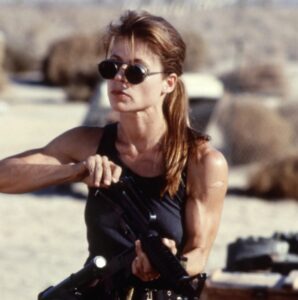
Some of you will get the reference and some of you wont. That is ok haha.
Anyways back to the topic at hand…
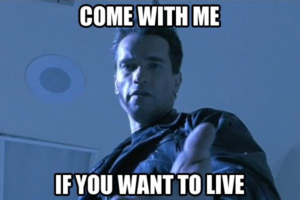
Lets talk about Gabrielle Griffin and Matt Steven Hayler’s article “Collaboration in Digital Humanities Research – Persisting Silences.” While reading this very long and technical way of saying group projects have a million ways to go wrong, I had anxiety the whole time. Not just because of all the situations that you could run into but also because of all the collaborations. I’m not usually a people person though my many years of working a job where I had to be has given me the ability to turn it on and off as I see fit. So the amount of interactions described as well as considering that your use of tech also counted as a collaborator was Intriguing. This made me think about all the elements of doing research and how every tool and network you used to get your final product done really did make it a team effort but so often as a researcher the credit is only really given to the author. The unsung heroes of the research are the databases, the archivists the search engines and everything else that often are overlooked in your bibliography especially the tech… and you know how we feel…
The comical interaction between the researcher and the fellow with the old data in Dr. Otis’ video was not just hilarious it made me hope I never have an interaction like that. Plus I had no idea what any of the types of files and data mentioned even is.
Also BaseCamp is really cool and I like it a lot. I want to try and implament it at Mason Exhibitions because we really need it. Often times there are too many cooks in the kitchen and there is no standardization.
Those are my thoughts this week


Leave a Reply